
How much US wiretapping settlements and increasing and why?
Thank you!
Please check your email to view the guide.
2026 Website Privacy Litigation Report: How much are wiretapping settlements increasing, and why?
November 4, 2026
5
mins read
Author

Expert



A working cookie banner does not prove that advertising pixels respect visitors' privacy choices. Tracking can continue after someone opts out, potentially exposing personal information to third parties. These failures are receiving greater scrutiny as website privacy litigation increases. Privado AI projects annual website and app privacy settlements will reach $1.4 billion in 2026.
Privado AI examined these developments in its recent webinar, 2026 Website Privacy Litigation Report: How Much Wiretapping Settlements Are Increasing and Why? Frankfurt Kurnit litigation partner Matthew Pearson joined Privado AI CEO Vaibhav Antil and founding product manager Romit Raj to connect legal trends with practical tracking risks.
The discussion explored why settlements are increasing, how California's SB 690 changes certain claims, and which website configurations deserve closer review. It also demonstrated how privacy teams can investigate data sharing that continues despite an opt-out.
Who participated in the website privacy litigation webinar?
The webinar brought together privacy litigation expertise and technical perspectives on website and app tracking. The participants connected settlement trends with consent enforcement challenges and practical auditing methods.
Partner
Litigation Group, Frankfurt Kurnit
Matthew Pearson advises and represents clients in privacy-related litigation, including disputes involving website tracking technologies and wiretapping statutes.
CEO
Privado AI
Vaibhav Antil brings the privacy technology perspective, focusing on how organizations identify and manage privacy risks across digital products.
Founding Product Manager
Privado AI
Romit Raj focuses on automated privacy auditing for websites and mobile apps, helping organizations identify consent enforcement failures, monitor third-party data sharing, and streamline privacy risk remediation.
How much are website privacy litigation settlements increasing in 2026?
Privado AI projects approximately $1.41 billion in US website and app privacy class-action settlements during 2026. This represents a 36% increase over the estimated $1.03 billion in 2025. The average settlement in the 2026 sample analyzed was $6.7 million.
The 2026 Website & App Privacy Litigation Report analyzed 116 publicly available settlement agreements from January 2025 through August 2026, including 76 agreements from 2025 and 40 from 2026. The report also examined broader litigation trends to develop annual projections.
The webinar presentation illustrates how lawsuit filings and settlement values have increased since 2022, providing historical context for the 2026 projections.
Why are website privacy settlements becoming more expensive?
Two large agreements significantly influenced the average settlement value in 2026. The Google Assistant settlement involved a proposed $68 million payment over allegations of unauthorized voice recordings, while the Flo Health case involved $59.5 million in settlements with Google, Flo Health, and Flurry over alleged sharing of sensitive app data.
These cases involve different technologies and legal allegations, so neither represents a typical website pixel settlement. Their inclusion demonstrates how a few high-value agreements can influence averages across a relatively small dataset.
During the webinar, Matthew Pearson explained that plaintiff investigations are becoming more sophisticated. His litigation experience suggests that legal demands increasingly require more developed allegations and supporting technical evidence.
A plaintiff can inspect network requests to identify when tracking technologies transmit information and which third parties receive it. This allows attorneys to support allegations with technical observations rather than relying exclusively on website privacy policies.
Recent website-tracking settlements provide further context. Ideal Image established a $3.5 million settlement fund over alleged unauthorized data sharing, while European Wax Center agreed to a settlement fund of up to $5 million involving website tracking allegations.
Neither agreement establishes that similar tracking configurations automatically violate privacy laws. However, both show why organizations need to understand the information their websites transmit and the controls governing those transmissions.
Which laws are driving website privacy litigation beyond CIPA?
Federal wiretapping claims appeared in 53% of the analyzed 2026 settlement agreements, compared with 43% involving California's Invasion of Privacy Act (CIPA).
Other state wiretapping statutes appeared in 38% of the agreements, according to the report's analysis. These percentages overlap because individual lawsuits can involve multiple legal claims.
This makes federal wiretapping law a significant part of the current litigation landscape. Privado AI's analysis of the Pfizer website tracking lawsuit illustrates how plaintiffs combine federal Wiretap Act allegations with California privacy claims when challenging advertising technologies that allegedly continue sharing information after an opt-out.
Why do wiretapping laws apply to website tracking claims?
Federal and state wiretapping laws originally addressed interception or recording of communications. Plaintiffs now argue that certain website technologies can intercept electronic communications when information is transmitted to third parties.
For example, a tracking pixel may receive information entered into a website form. Plaintiffs may argue that the transmission constitutes unlawful interception, although the outcome depends on the statute, the communication involved, and the circumstances of collection.
Pearson discussed how attorneys use federal claims alongside state laws. The federal Electronic Communications Privacy Act (ECPA) can support claims involving communications intercepted across different jurisdictions.
The report also found that settlements involving CIPA or California's Confidentiality of Medical Information Act (CMIA) allegations averaged more than $9 million within their respective groups. Several unusually large settlements influenced those averages.
How do CCPA and wiretapping claims differ?
The California Consumer Privacy Act (CCPA) regulates practices such as certain sales and sharing of personal information. Its opt-out obligations are primarily enforced by regulators.
The CCPA provides a limited private right of action for specified data security incidents. It does not generally authorize private damages lawsuits for ordinary violations of its advertising opt-out provisions.
Wiretapping statutes provide different potential pathways for private lawsuits, subject to their legal requirements and defenses. As a result, compliance with CCPA opt-out obligations does not automatically resolve every tracking-related litigation concern.
Does California SB 690 end website tracking lawsuits?
No. California's SB 690 limits private lawsuits concerning the pen register and trap-and-trace provision of CIPA, Section 638.51. It does not eliminate private claims under Sections 631 and 632 or federal wiretapping statutes.
Governor Gavin Newsom signed SB 690 on September 30, 2026. The law takes effect on January 1, 2027, and restricts private Section 638.51 claims arising from activity on websites and online or mobile applications.
Under the amendment, these claims may be brought by the California Attorney General. The legislation also applies retroactively to certain pending claims in actions commenced on or after January 1, 2025.
What does the report reveal about SB 690's limited reach?
Only 3% of the 116 analyzed settlements included Section 638.51 allegations. Across the complete sample, 72% did not involve CIPA claims at all. These figures suggest that restricting private pen register claims may have limited effects on the types of settlements captured in the report.
However, the findings concern publicly available settlements. They do not measure the entire market for pre-litigation demand letters.
Pearson emphasized that: "Web- and app-based tracking claims are not going away."
His warning reflects the availability of other legal theories, including CIPA Sections 631 and 632. Privacy teams should therefore avoid assuming SB 690 resolves all CIPA-related website tracking risks.
Which industries and tracking technologies appear most often in settlements?
Healthcare organizations accounted for 64% of the agreements analyzed by Privado AI. Media and entertainment represented 16%, while e-commerce accounted for 9%.
These findings indicate where settlements were concentrated within the collected sample. They do not establish the probability that a company in any industry will be sued. Healthcare organizations face concerns because visitors may disclose information about medical conditions or treatment through online services.
The Kaiser Permanente $46 million settlement illustrates the financial scale of allegations involving the sharing of health-related information through digital tracking technologies.
The report also examined the tracking tools identified in complaints and settlement records. Among agreements that specified a tracker, the most frequently named technologies were:
- Meta Ads: Appeared in 91% of settlements identifying trackers.
- Google Analytics: Appeared in 51% of these settlements.
- Google Ads: Appeared in 15% of these settlements.
These percentages describe technologies named in allegations, rather than proven violations associated with their use. The report also identified 20 additional tracking technologies, demonstrating why privacy teams need visibility beyond major advertising platforms.
Why can mobile app tracking create larger settlement exposure?
Mobile applications appeared less frequently than websites in the settlement sample, but app-related agreements had substantially higher values.
In the report, settlements involving any mobile app tracking allegation paid out 3.5 times as much as those involving website tracking alone. App-only allegations accounted for 8% of the 2026 settlements analyzed.
Pearson identified several reasons why mobile app claims may have greater financial exposure. App users often log in, and persistent identifiers may help connect alleged data sharing to identifiable individuals. This can influence how plaintiffs develop class allegations, although certification ultimately depends on the applicable legal requirements.
Mobile apps also use software development kits (SDKs) to collect information via integrated third-party services. Unlike visible website pixels, some SDK activity may be difficult to inspect without specialized testing.
The webinar findings reinforce concerns examined in Privado AI’s analysis of CIPA risks for mobile applications. For privacy teams, the response should include a review of SDK behavior across relevant user journeys. Testing needs to establish whether consent choices affect data sharing.
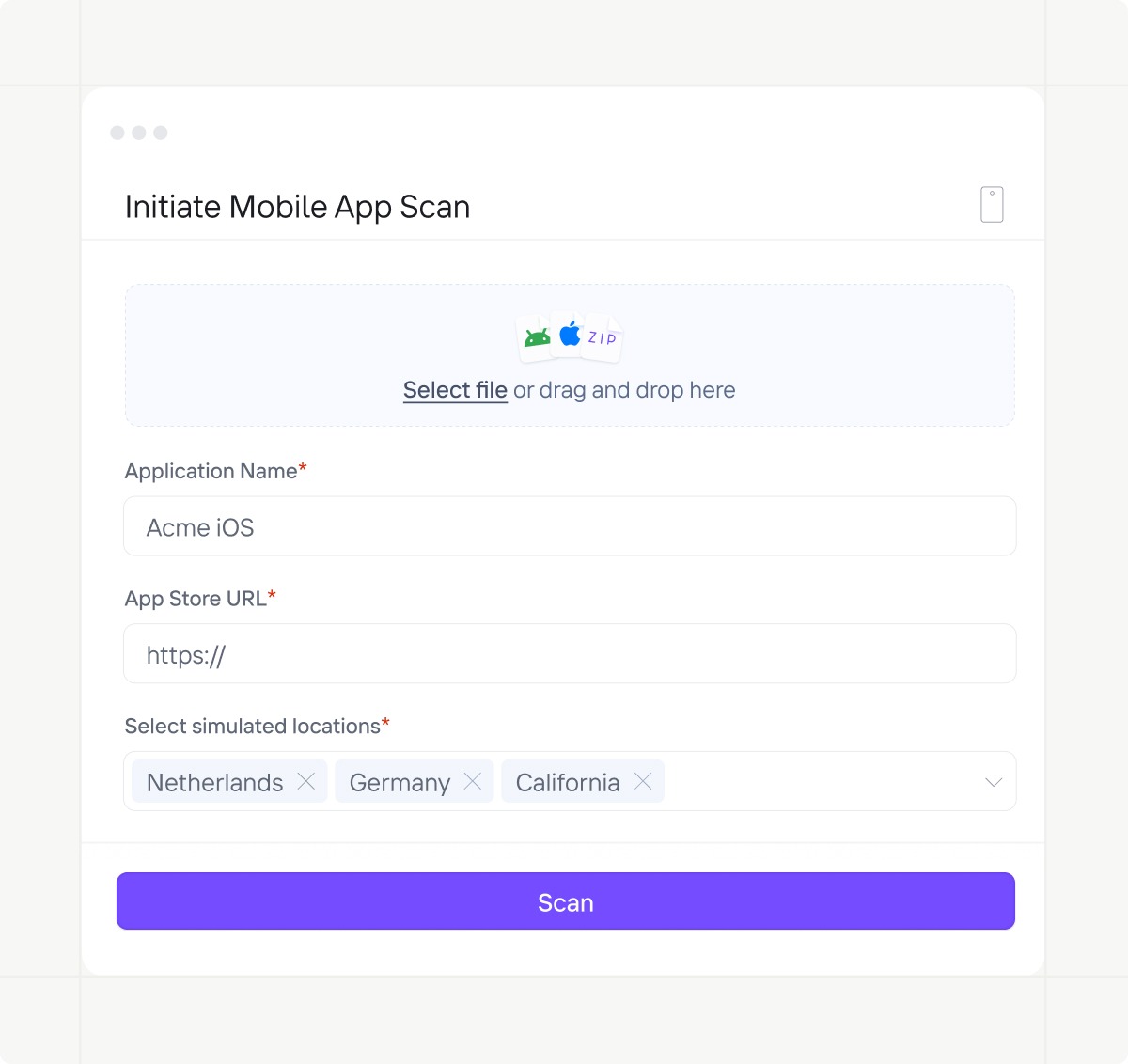
App Auditor supports this review by identifying third-party SDKs and examining data flows across mobile applications. The objective is to understand what the application transmits, not simply whether its privacy notice describes third-party processing.
Why can tracking continue when a consent banner is installed?
A consent banner can collect privacy preferences without proving that every connected technology honors them.
A Consent Management Platform (CMP) communicates user choices and can help control data flows. However, configuration errors may allow advertising scripts to execute before restrictions take effect.
Privado AI has identified three recurring failure patterns in the research:
The key distinction is between recording a preference and verifying its enforcement.
As discussed in Privado AI's comparison of consent management platforms, CMPs support consent collection but may require complementary monitoring to verify downstream activity.
What happens when cookies are miscategorized?
A cookie categorized as necessary may continue operating even though its actual purpose is advertising. If the CMP uses that classification to control behavior, the incorrect category can create an enforcement gap.
The organization should compare cookie classifications with vendor documentation and observed network activity. Regular consent monitoring helps identify configurations that no longer match the intended privacy policy.
Which checks help reveal tracking risks after an opt-out?
The webinar emphasized the need to examine actual user journeys, including searches and forms that may contain sensitive information.
A comprehensive audit can follow these steps:
- Test different consent states: Compare tracking behavior before any choice, after acceptance, and after rejection. Test Global Privacy Control (GPC) separately where applicable to determine whether the website responds correctly to qualifying browser-level opt-outs.
- Complete relevant website journeys: Include searches, forms, account access, and checkout flows. Healthcare organizations should also test appointment booking and other sensitive interactions, as homepage checks may miss data sharing elsewhere.
- Inspect cookies and network requests: Identify the technologies operating during each journey and examine what information reaches external recipients. A network request alone does not establish a legal violation, but its contents can support further investigation.
- Identify the responsible script or vendor: Trace unexpected activity to the relevant tag manager, embedded script, or third-party service. Privado AI's cookie consent audit guide explains how testing live website behavior can reveal issues that CMP configuration reviews miss.
- Verify remediation and retain evidence: Repeat affected tests after engineering teams implement corrections. Record the observed result, relevant network activity, and any remaining issues to support future reviews

How does Privado AI help teams investigate consent failures?
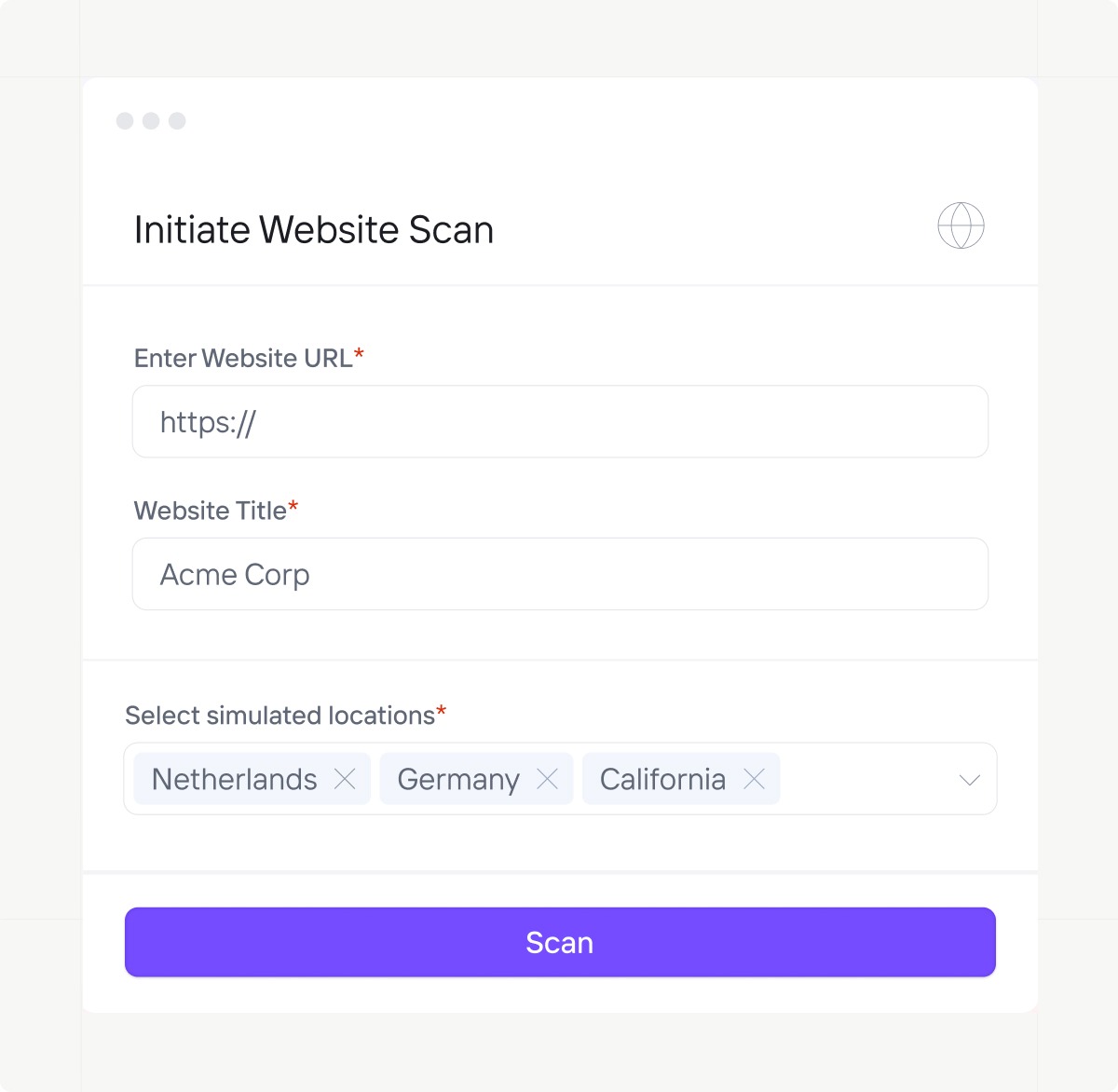
Privacy teams need evidence linking a visitor's consent choice to the subsequent tracking activity. During the webinar, Romit Raj demonstrated how Privado AI traced a TikTok pixel firing through Google Tag Manager after an opt-out. The example showed how Web Auditor can identify tracking activity and reveal the underlying implementation responsible for it.
The demonstration also illustrated the value of grouping individual findings by root cause. A remediation analysis consolidated 129 detected issues into four underlying causes. One configuration correction was associated with the resolution of 77 findings. This was a specific demonstration result, not a guaranteed remediation rate.
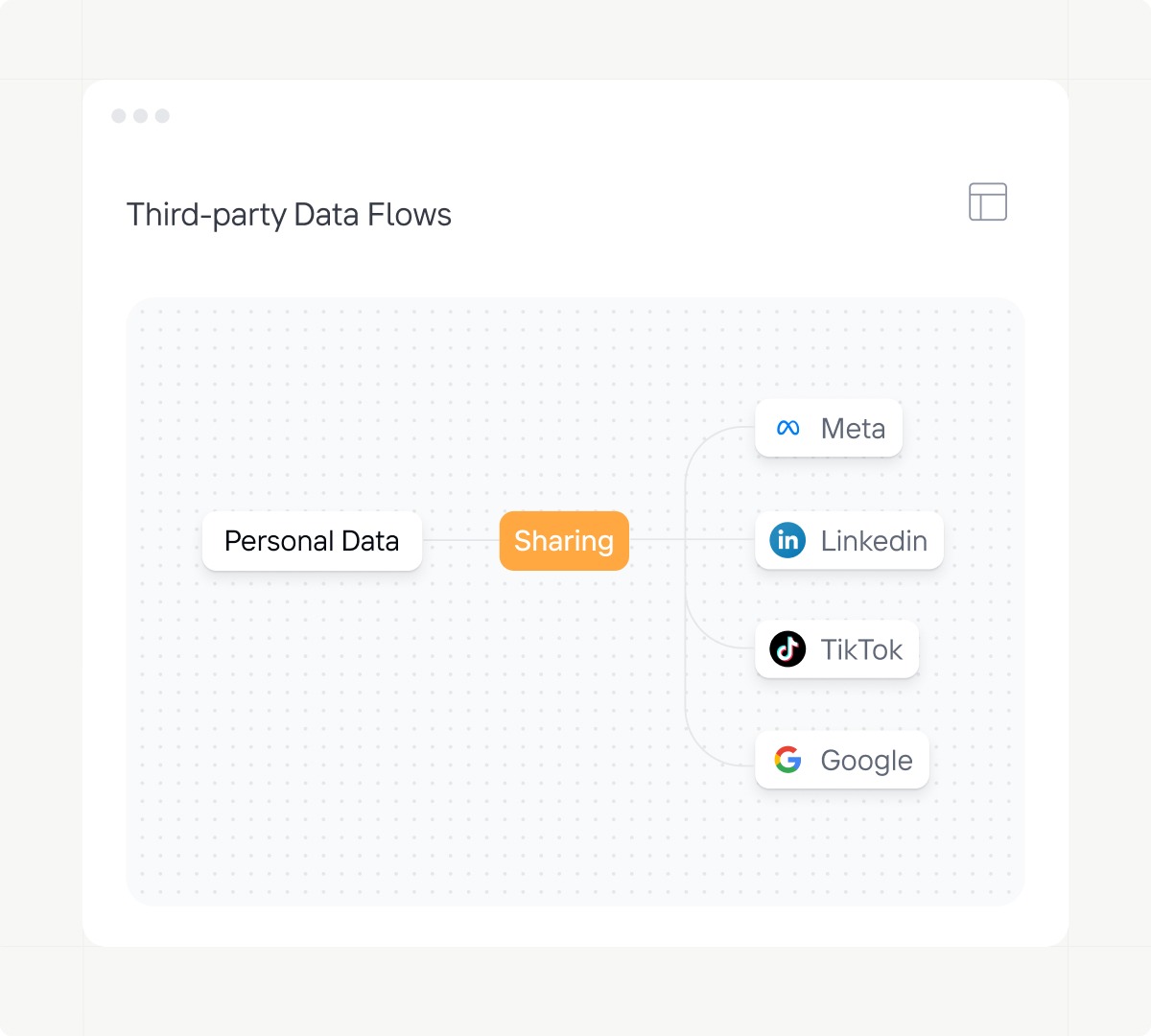
Rather than addressing each warning separately, engineering teams could prioritize the shared configuration responsible for several failures. Privado AI's digital tracking governance capabilities also help teams identify third-party technologies receiving personal information. For mobile applications, App Auditor extends these checks to SDK activity and related data sharing.
These capabilities support technical review and remediation. Legal teams must still assess the applicable requirements and determine whether the identified behavior creates a compliance issue.
The webinar demonstration shows how these findings translate into practical remediation. Watch Romit Raj trace a TikTok pixel firing through Google Tag Manager after consent rejection, identify its underlying configuration issue, and explain how teams can prioritize corrective action.
Where can privacy teams explore the full webinar discussion?
The findings demonstrate why privacy teams need more than settlement figures when assessing website and app tracking risks. The Privado AI webinar provides additional context from Matthew Pearson on changing litigation strategies and California's SB 690.
It also includes Romit Raj's practical demonstration of consent failure detection. Viewers can see how the tracking chain was traced and how related findings were grouped for remediation.
The supporting report provides the underlying settlement dataset and broader methodology for interpreting the research. Together, the materials help privacy leaders understand the litigation trends and identify practical questions to raise with their engineering teams.
Access the complete webinar for expert perspectives on privacy settlements, live-tracking investigations, and practical strategies for validating consent enforcement.
Legal Disclaimer: This article is for informational purposes only and does not constitute legal advice. Privacy laws and their interpretation may change. Organizations should review requirements applicable to their processing activities and consult qualified legal counsel for guidance specific to their circumstances.
FAQs
Are settlement amounts the same as court-awarded damages?
No. A settlement is an agreement resolving claims, usually without a final judicial determination of liability. Court-awarded damages follow a legal judgment. The amounts reported in Privado AI's research reflect settlement agreements, not penalties that courts necessarily imposed after deciding the merits of every allegation.
Does CCPA compliance eliminate wiretapping litigation risk?
No. Compliance with applicable CCPA requirements can reduce certain privacy risks, but wiretapping statutes have distinct legal elements. Companies should evaluate tracking practices against the laws relevant to their activities. A consent management platform or completed CCPA checklist does not automatically establish that every transmission is lawful.
Can consumers sue directly over every CCPA violation?
No. The CCPA provides a limited private right of action for certain data security incidents. Ordinary violations of its opt-out requirements are primarily enforced by authorized regulators. Separate laws may provide other private claims, depending on the alleged conduct and applicable statutory requirements.
Does removing cookies stop all third-party data sharing?
No. Websites can transmit information through network requests even when traditional cookies are absent. Embedded pixels and other scripts may send identifiers or page information to external services. Privacy teams should inspect actual transmissions rather than relying solely on cookie inventories.
Does global privacy control replace website consent testing?
No. GPC communicates an opt-out preference through supported browser signals. Businesses subject to applicable requirements must process recognized signals appropriately. Privacy teams still need to verify how their website responds, including whether prohibited downstream sharing continues after the signal is received.
How often should organizations audit website and app tracking?
Audit frequency should reflect how often the website or application changes and the sensitivity of its data flows. Important releases and new marketing integrations warrant additional review. Recurring scans can identify newly introduced technologies, while post-remediation testing helps confirm that previously identified issues have been addressed.
Industry insights you won’t delete. Delivered to your inbox.
Get regular updates from Privado AI
Request free website audit
Request Privado AI demo
Share
Author
Expert