
How much US wiretapping settlements and increasing and why?
Thank you!
Please check your email to view the guide.
Website privacy testing: How can teams catch failures before release?
November 4, 2026
5
mins read
Author

Expert


Your website may pass a privacy audit today and fail the next time your marketing team adds a tracking pixel. Even a small change to a tag manager or third-party script can affect how consent choices are enforced. These issues often remain hidden until someone examines the website's actual tracking behavior.
Privado AI's research found that 48% of 250 high-traffic websites had at least one Google Consent Mode misconfiguration. This challenge was explored in the September 9 webinar, Privacy QA for Websites: How to Catch Tracking and Consent Failures Before Release, featuring Nicole Nguyen of Ankura and Romit Raj of Privado AI.
The discussion focused on making website privacy testing part of the regular release process. This blog explains their recommendations for testing consent behavior, identifying risky user journeys, validating staging and production environments, and collecting evidence that helps engineering teams resolve failures.
Meet the experts
The webinar brings together two specialists who explain how privacy teams can translate compliance requirements into repeatable tests and automated website monitoring.
Senior Director, Cybersecurity & Data Privacy, Ankura
Nicole Nguyen brings the privacy engineering perspective. Her work focuses on translating legal and privacy requirements into technical controls that engineering teams can test, reproduce, and maintain across changing website environments.
Founding Product Manager, Privado AI
Romit brings the product and automation perspective. He demonstrates how Web Auditor simulates user journeys across locations and consent states, then records the cookies, scripts, network requests, and third-party data flows observed during each test.
Together, their discussion moves privacy testing from an occasional audit into a repeatable engineering control.

What is privacy QA for websites, and how does it work?
Privacy Quality Assurance (QA) converts website privacy requirements into repeatable technical tests. It verifies whether cookies, scripts, and third-party technologies behave as expected under different user choices. These tests can run before deployment and after release to confirm that consent controls work as intended.
During the webinar, Nicole Nguyen, Senior Director of Cybersecurity & Data Privacy at Ankura, described a question she frequently hears from clients: "How do I know that what I'm doing is actually working?"
She explained that enterprises often rely on visible indicators, such as whether their consent banner displays correctly. However, the real test is whether every relevant downstream technology responds to the user’s choice. A working Reject All button cannot establish that every advertising script has stopped.
Nicole summarized the distinction by emphasizing that teams should “test whether downstream technology behaves according to the user’s privacy state.” Her recommendation is to translate legal requirements into technical conditions that engineers can verify repeatedly.
A repeatable privacy QA process therefore needs four connected elements:
These elements create a shared understanding between privacy and engineering teams. They also help explain why consent compliance monitoring must examine downstream tracking behavior instead of relying exclusively on stored user preferences.
Why can website privacy compliance break between software releases?
Website privacy controls can stop working after changes to tracking scripts, consent configurations, or third-party integrations. Marketing teams may introduce new pixels, while developers update website functionality. A configuration that passed its previous audit may therefore behave differently after the next release.
Romit Raj, Founding Product Manager at Privado AI, highlighted Google Tag Manager as a recurring source of concern during the webinar. Different teams can configure tracking technologies independently, creating situations where some network requests operate outside the expected consent restrictions.
He explained that enterprises often lack a complete view of which technologies are firing and where information travels. Without that visibility, an unexpected advertising request may remain active until an audit or external complaint exposes the issue.
Even when the same websites are tested, compliance results can change within days. This becomes clear when comparing two scans of 250 websites conducted on June 11 and June 16, 2026. The findings show how quickly privacy compliance gaps can emerge:
- CCPA failures increased from 81% to 87%.
- GDPR reject-all failures increased from 52% to 56%.
- Websites passing every broader compliance test decreased from 14% to 10%.
These changes highlight why a successful audit cannot guarantee continued compliance. By repeating privacy checks after website releases, script updates, and configuration changes, teams can identify new issues before they remain undetected for longer periods.
What should a website privacy testing matrix include?
A website privacy testing matrix defines the conditions under which privacy controls must operate correctly. It considers visitor location, consent preferences, authentication status, and tracking technologies. This helps teams identify failures that would remain undetected if testing covered only the homepage.
Nicole recommends organizing testing around risk because privacy and engineering teams rarely have unlimited resources. She explained that websites have different user journeys, and some create greater exposure because of the information visitors enter or the technologies that operate during those interactions.
For example, a healthcare appointment form deserves closer examination than a generic company information page. The appointment journey may contain health-related information that could be shared with advertising or analytics providers if tracking controls are incorrectly configured.
Her framework considers several testing dimensions:
The objective is to identify where failures could expose personal information and prioritize those conditions. Nicole also cautioned that server-side tracking needs review because moving processing away from browser scripts does not automatically eliminate privacy risks.
This broader understanding of tracking behavior connects with digital tracking governance, where organizations maintain visibility into third-party technologies and the information they receive.
How should accept, reject, no-action, and GPC scenarios be tested?
Consent testing examines how tracking technologies respond when visitors accept, reject, or have not yet made a privacy choice. It should also verify browser-level Global Privacy Control (GPC) signals where applicable. The expected result depends on the jurisdiction and the processing involved.
Nicole explained that engineers need to know the applicable consent framework before deciding whether a test passes. Under UK cookie rules, non-essential cookies generally require consent before deployment. California follows a different model for qualifying requests to opt out of the sale or sharing of personal information.
This distinction affects which tracking activities the organization must restrict. Consequently, the same technical behavior may require different evaluation criteria across jurisdictions.
The principal scenarios include:
Why does GPC timing matter during privacy QA?
During the webinar, Nicole shared a real-world example from a client engagement to explain how GPC enforcement can fail even when a CMP is correctly configured to recognize the signal. The client's CMP detected the GPC preference, but there was a delay in communicating it to the tag management system.
As a result, the consent banner indicated that GPC had been recognized, while advertising technologies could still execute before the tag manager received the restriction. This created a gap between the recorded privacy preference and the website's actual tracking behavior.
Her recommendation was to inspect the sequence of events from the first page load. Teams should determine when the browser signal becomes available, when the tag manager processes it, and whether covered data sharing occurs before restrictions take effect.
Nicole also described how privacy browser extensions can complicate testing. Some extensions actively block trackers, potentially hiding a failure in the website's own consent configuration. Testing with different browser conditions can help distinguish website controls from extension-level blocking.
Why should logged-in and sensitive website journeys be tested separately?
Logged-in and sensitive website journeys may expose personal information that does not appear during anonymous browsing. Authentication can introduce account identifiers, while searches and forms may transmit information through URLs or network requests. These conditions require separate testing because homepage scans may never encounter them.
Nicole described finding email addresses and client identifiers in network traffic during authenticated website testing. Such information becomes particularly concerning when it can be linked to a person's health-related activity or other sensitive interactions.
She also discussed how tracking behavior changes as visitors move through a website. In retail, someone may search for a product, visit its details page, add it to a cart, and complete checkout. Different technologies may operate throughout that journey.
Romit reinforced this point with medical equipment searches and form submissions. He explained that teams need to review what information is shared with third parties during these interactions, especially when search terms or entered details reveal sensitive context.
California's February 2026 Disney settlement provides another relevant example. The California Attorney General alleged that certain opt-out methods did not apply across connected devices and services, including situations involving logged-in users.
This illustrates why privacy teams should test authenticated preferences across applicable digital experiences. A website-level opt-out may appear successful while related account activity continues under a different configuration.
What should teams test in staging versus production?
Staging helps identify privacy failures before visitors encounter them, while production testing confirms how the deployed website behaves. Both environments are necessary because cookies, domains, tag-manager configurations, and third-party services can operate differently after deployment.
Nicole shared an example involving a client testing staging and production environments simultaneously. The environments were using a consent-related cookie in ways that interfered with banner behavior, making the results difficult to interpret. She recommended isolating browser conditions, including using separate browser sessions or incognito windows where appropriate.
A coordinated testing process should cover these activities:
This release-to-production approach aligns with the broader model within Privado AI's digital tracking governance solution, where changes to live data sharing remain visible after deployment.
Why should pass and fail criteria be defined before testing?
Privacy QA requires clear acceptance criteria before testing begins. Teams need to define the expected behavior and identify what would constitute a failure under the applicable requirements. This makes results more consistent and prevents different reviewers from applying conflicting interpretations.
Nicole explained that test design should account for the relevant legal framework. A pass condition for a European consent-based implementation may differ from one involving California's sale-or-sharing opt-out requirements.
She recommends identifying both successful and unsuccessful outcomes before running repeated tests. Otherwise, teams may spend resources collecting results without having an agreed method for evaluating them.
For example, an advertising request before consent could fail a UK test where consent is required. A California GPC test instead examines whether processing covered by the opt-out continues despite the qualifying signal.
What evidence should a website privacy QA test capture?
Nicole emphasized that privacy QA evidence must help engineering reproduce the issue and allow privacy teams to explain what occurred. A finding without its triggering conditions offers limited value during remediation.
Consider an alert stating that TikTok fired after a user opted out. Engineers need to know the page, consent state, script sequence, and network request involved before they can investigate the underlying configuration.
A useful QA record should include:
- Page or user journey tested
- Geography and browser conditions
- Consent or GPC state
- Cookies and scripts observed
- Relevant network requests
- Script initiator and execution order
- Test timestamp and release version
- Screenshots or session recordings
- Remediation and retest results
Once the evidence identifies the failure, engineering can investigate its source and repeat the test after remediation. This also gives privacy teams a documented record of what was observed and whether the correction worked.
How can website privacy QA become part of the release process?
Website privacy testing becomes more consistent when it follows the same release process as functional QA. Privacy requirements can be translated into technical tests, assigned to responsible teams, and repeated whenever changes affect tracking or the processing of personal data.
Nicole recommends introducing privacy checks throughout the software development lifecycle rather than leaving them until the end. She also stresses the need for clear ownership, as a technically correct test provides limited protection if no one investigates its failures.
Her webinar framework can be summarized through a repeatable test record:
Requirement → Condition → Journey → Expected result → Observed result → Pass/fail → Evidence → Remediation → Retest
That record helps legal, privacy, and engineering teams work from the same information. Legal defines the applicable requirements, engineering evaluates the resulting technical behavior, and privacy teams review the findings against the agreed-upon criteria.
The release process can follow four stages:
- Before development: Identify any changes that involve tracking, consent controls, personal information, or third-party technologies.
- Before release: Run relevant tests in staging and resolve confirmed failures.
- After deployment: Repeat higher-risk tests in production to confirm deployed behavior.
- Between releases: Monitor vendor updates, new scripts, and changes to consent configurations.
Nicole explained that manual checks remain useful when teams first establish testing requirements. Once the scenarios are reliable, automation can make them easier to repeat across websites and releases.
How does Privado AI Web Auditor automate website privacy testing?
Nicole's framework focuses on repeatable tests, clear acceptance criteria, and evidence that developers can use. Privado AI Web Auditor supports this approach through automated website scans, journey testing, and continuous monitoring.
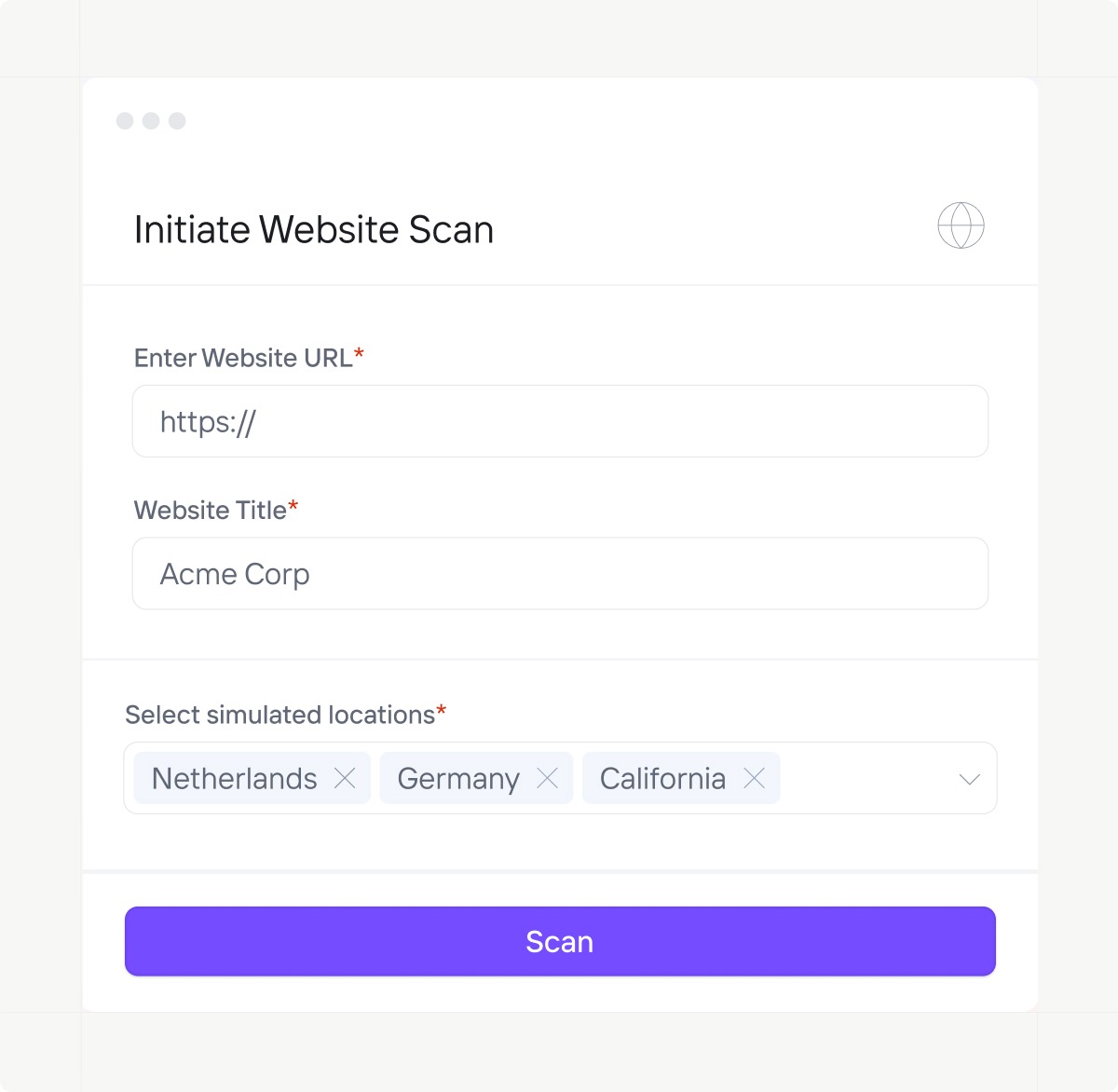
- Tests websites across locations and consent states: Teams enter a URL, select important pages, and schedule recurring scans. Web Auditor runs more than 50 pre-built privacy checks, examining cookies, scripts, network requests, and third-party data flows without requiring technical implementation for an initial scan.
- Identifies failures across sensitive user journeys: Teams can define journeys such as searching for medical equipment and completing checkout. When a tracker fires after an opt-out, as seen in the webinar's TikTok example, session recordings and network request details help engineers reproduce the issue.
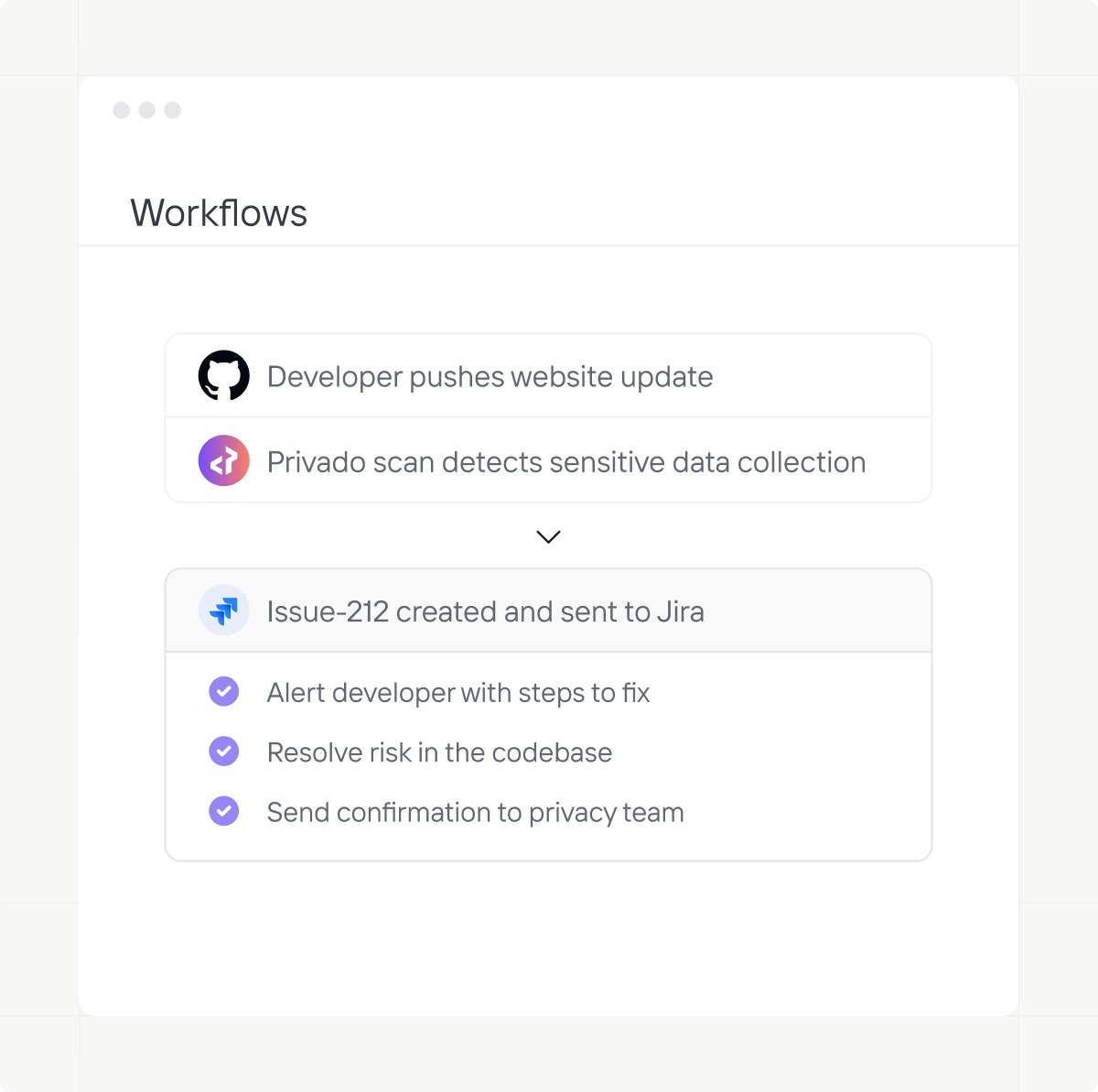
- Supports remediation and retesting: Web Auditor groups related findings into remediation plans, helping teams identify shared causes such as misconfigured consent settings. Recurring scans then verify whether corrections worked and detect new tracking issues introduced by website changes.

What should privacy teams do next?
Start by identifying website journeys where tracking failures could expose sensitive information. Define the expected behavior for each consent state, test those conditions before release, and repeat the checks in production. Assign confirmed failures to responsible teams and verify each correction.
Nicole's framework explains how to build these checks into existing engineering workflows. Watch the full Privacy QA for Websites webinar to explore her recommendations and see how Web Auditor supports automated testing, evidence collection, and remediation.
Legal Disclaimer: This article is for informational purposes only and does not constitute legal advice. Website privacy requirements vary by jurisdiction and may change. Organizations should review applicable laws and consult qualified legal counsel when defining privacy QA requirements.
FAQs
How is website privacy qa different from a cookie consent audit?
Website privacy QA makes privacy testing part of the software release process. A cookie consent audit typically examines existing consent configurations and tracking behavior at a particular time. Privacy QA turns relevant checks into repeatable tests that teams can run before deployment and after website changes.
Can server-side tracking create privacy risks that browser testing misses?
Yes. Server-side integrations may transmit personal information without generating the same browser-visible requests that client-side scripts do. Nicole highlighted these implementations as an area requiring additional attention. Teams should examine relevant server-side data flows separately, as browser testing cannot provide complete visibility into backend processing.
Does GPC automatically block every website cookie?
No. Global Privacy Control communicates an opt-out preference concerning certain personal information sales or sharing. It does not automatically block every cookie or prohibit all website processing. Organizations must identify activities covered by applicable requirements and verify that their systems enforce the corresponding restrictions.
Who should own website privacy QA failures?
Ownership should follow the underlying issue. Privacy and legal teams establish applicable requirements, while engineering investigates technical failures. Marketing may need to update tracking configurations or vendor settings. Each confirmed issue should have an assigned owner responsible for implementing corrections and documenting successful retesting.
How often should websites undergo privacy testing?
Privacy testing should accompany relevant website releases, tag changes, and new third-party integrations. Sensitive journeys may require more frequent checks based on organizational risk. Recurring production scans help detect unexpected changes, while targeted retesting confirms whether previously identified failures have been corrected.
Can website privacy QA be automated without modifying website code?
Some website privacy auditing tools can simulate visitor sessions and inspect observable tracking activity without requiring code to be installed. Privado AI Web Auditor supports this approach for initial website scans. More complex authenticated journeys or backend integrations may require additional configuration, access, or separate testing methods.
Industry insights you won’t delete. Delivered to your inbox.
Get regular updates from Privado AI
Request free website audit
Request Privado AI demo
Share
Author
Expert